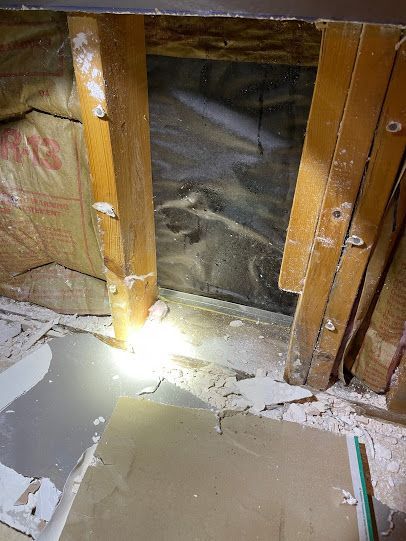
 Not all water damage makes itself obvious. Even after a visible leak is fixed, moisture can seep into crawlspaces, attics, or other hidden areas of the home. These quiet zones can become mold incubators if they’re not checked and dried properly. That’s why professional inspections and thorough moisture detection and mapping matter long after the visible puddles are gone.
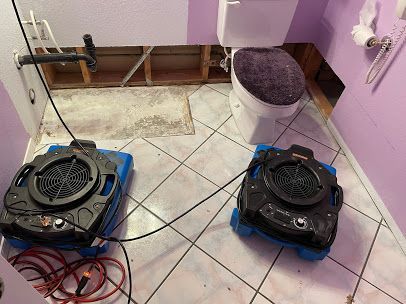
A sewage backup is one of the most stressful home emergencies because it’s not just messy—it’s a health concern. It’s also one of the situations where good intentions can lead to bigger problems if cleanup isn’t handled correctly. Sewage backup cleanup is different from “normal” water damage because contaminated water can carry bacteria, viruses, and...
The post Sewage Backup Cleanup: What’s Safe, What’s Not, and When to Call a Pro first appeared on Premier Restorations.
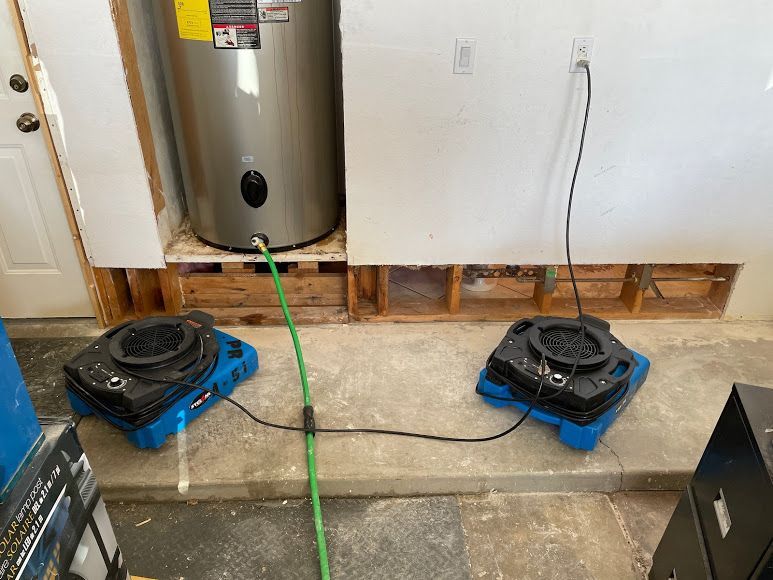
A water heater usually sits quietly in the background—until it doesn’t. When a leak starts, it can go from “a little puddle” to serious water damage faster than most homeowners expect, especially if the unit is tucked into a garage corner or a closet you don’t open often. Knowing the most common water heater leak...
The post Water Heater Leak: Early Warning Signs and What to Do First first appeared on Premier Restorations.
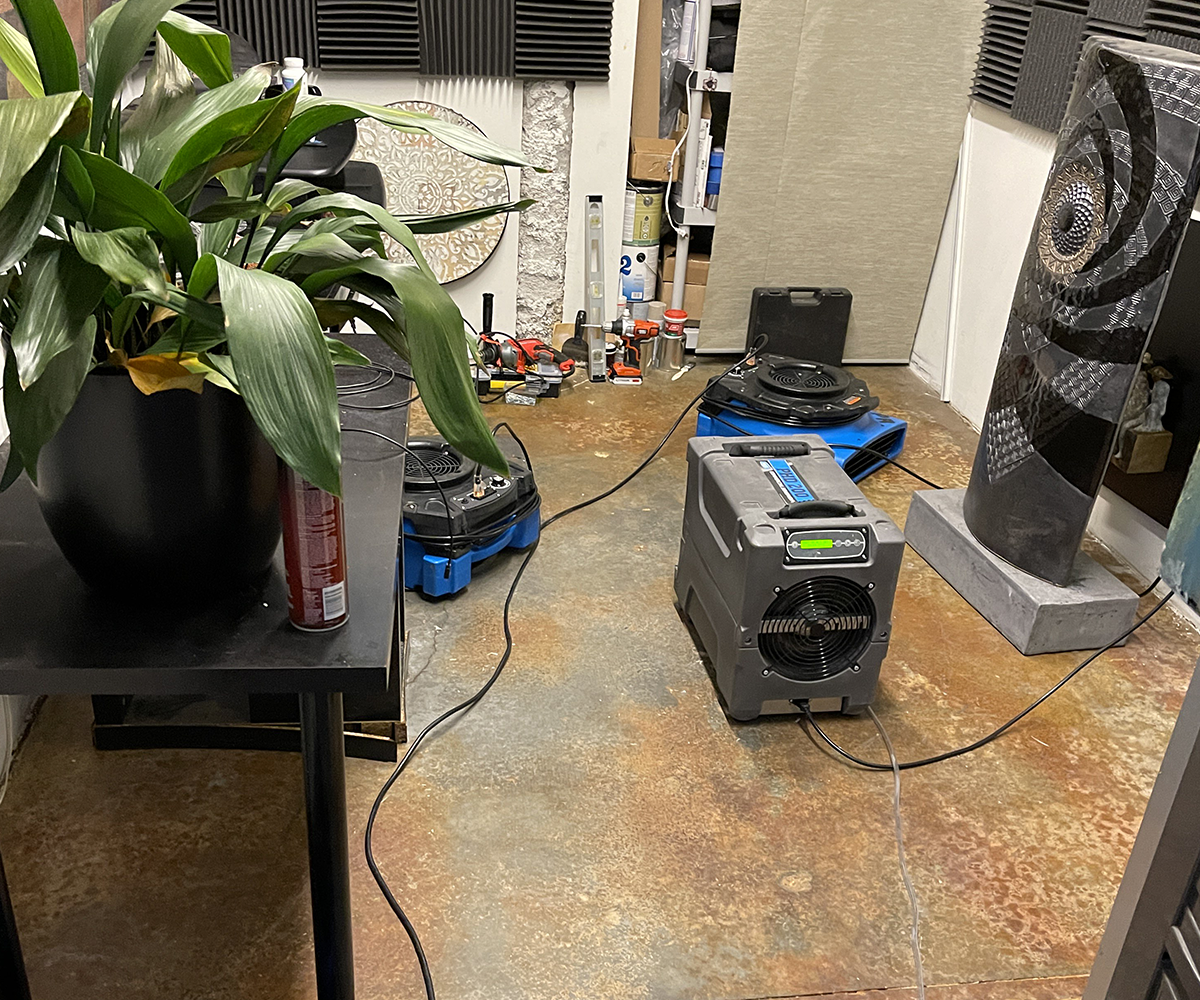
Water damage looks deceptively simple at first glance. Floors are wet, maybe a rug or two is soaked, and everything feels manageable with a few box fans. But structural drying is one of those situations where the surface rarely tells the full story. Understanding the difference between DIY vs. professional drying helps you avoid the...
The post DIY vs. Professional Drying: When Fans Are Enough and When They’re Not first appeared on Premier Restorations.

